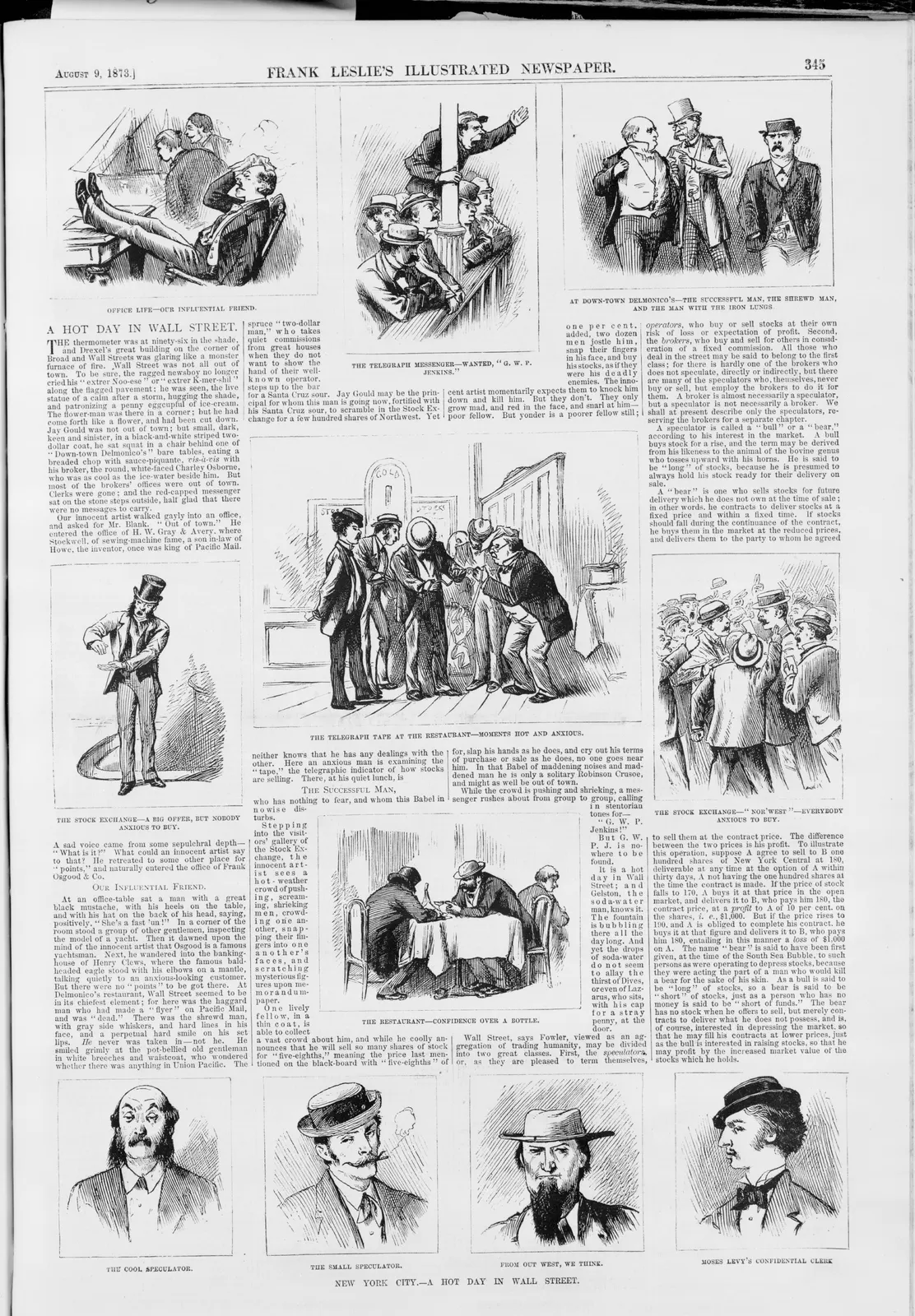
On 17 May 1792, in New York, twenty-four brokers meet at 68 Wall Street, under a buttonwood tree. There they sign a short text that goes down in history as the Buttonwood Agreement.
Two commitments
The text boils down to two promises:
- the signatories agree to give each other preference: they will deal with one another first;
- they will never charge a commission below one quarter of one percent of the value traded.
It is the founding act of what would become, in 1817, the New York Stock & Exchange Board, and later the New York Stock Exchange. And from the very start, it is an agreement about how the middleman gets paid. Before defining the rules of the market, the brokers fixed their cut.
Nearly two centuries of fixed commissions
The idea of a fixed, non-negotiable commission lasts a long time. It isn't until 1 May 1975 that the US regulator abolishes it. The day, nicknamed "May Day" on Wall Street, opens the door to discount brokers and competition on fees.
Then "free" trading
In October 2019, several major US brokers announce zero commissions on stock trades, one after another. Trading becomes "free".
Except a middleman never works for free. Its pay simply moved:
- into the spread, the gap between the buy and sell price;
- into the swap, the financing of positions held overnight;
- into payment for order flow, when a broker is paid to route your orders to a market maker.
The commission never went away
In forex and CFDs, the model is the same. The broker earns on every one of your orders, whether you win or lose. And for a long time, it has passed on a share of those earnings to the partners who bring it clients: introducing brokers.
That rebate is what RendR is built on. We are an introducing partner, and we pay a share of what the broker pays us back to the people who actually generate the volume: the traders.
Two hundred and thirty years of the middleman serving himself first. The question was never whether he gets paid, but how much, and by whom.
Margin trading carries a high risk of losing your capital, and cashback does not reduce that risk. RendR is not an investment adviser, manages no capital on behalf of its users, and never holds an account’s trading password. Cashback depends on the agreements reached with each partner broker.
Read the full risk warning